It’s hard to imagine anything more unlikely than the ascent of Butthole Surfers, once darlings of the indie underground who stunned fans and critics alike by signing to Capitol Records in 1992. To pretty much everyone’s surprise the pairing paid off – at least at first. The John Paul Jones produced Independent Worm Saloon charted and found its way onto the Beavis and Butthead show, paving the way for the absurdly popular Electriclarryland in 1996. Still wilfully weird, that album found the band juggling heavier fare (Thermador, Birds), psychedelic freak outs (My Brother’s Wife, The Lord Is a Monkey), and hip-hop infused singles with more than a touch of Beck about them (Pepper). Largely as a result of the latter’s success, the band ended up seemingly soundtracking every movie the late 90s produced, with credits including Spawn, Mission Impossible II, Romeo & Juliet, Escape from L.A., and Beavis & Butthead Do America.
Yet, despite the band’s seeming success, all was not well. As the band’s relationship with Capitol soured, sessions for their eighth album, After the Astronaut (originally slated for 1998), were scrapped; the band dumped their longstanding manager Tom Bunch; and even a lawsuit victory against Touch and Go proved bittersweet, with the band regaining the rights to their early recordings but at the cost of a good deal of respect from their peers.
While many of the songs originally recorded for After The Astronaut would eventually surface on 2001’s much maligned Weird Revolution, it was a vastly altered recording with new songs (including Kid Rock co-write Shame of Life); a massive cast of contributors, including Paul Leary and Rob Cavallo on production duties, three studio engineers (Michael Bradford, Stuart Sulliven, and Allen Sides), and Chris Lord-Alge on mixing. The too-many-cooks approach had exactly the effect that might be imagined and the resultant album, while boasting some cool songs, was an inchoate mess that fared poorly with critics. The fact that it turned out to be the band’s final studio album only added insult to injury while its unreleased forebear, After the Astronaut, went on to become the stuff of legend.
It’s not clear what exactly caused After the Astronaut to finally be unearthed but, for whatever reason, it is here and it does much to set the record straight. While Weird Revolution was never as bad as some of the more vituperative critics would have you believe, it is now clear that what started as a slightly ambient side-step from Electriclarryland was polished to a quite remarkable degree, with tracks like Shame of Life and Dracula of Houston parachuted in to frontload the album with potential, Pepper-esque hits. In short, Weird Revolution was an uneasy compromise, shamelessly designed to ramp up the band’s commercial fortunes at the expense of their artistic vision. The result is a supremely unbalanced album and it’s hardly surprising that neither critics nor fans knew quite what to make of it.
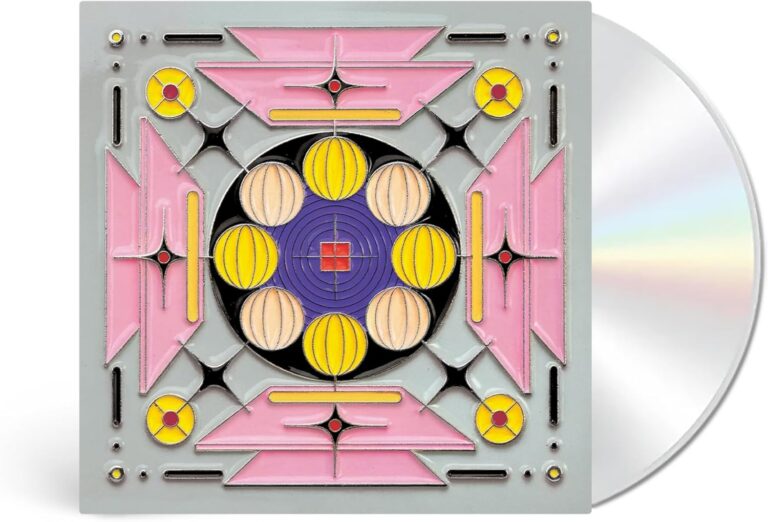
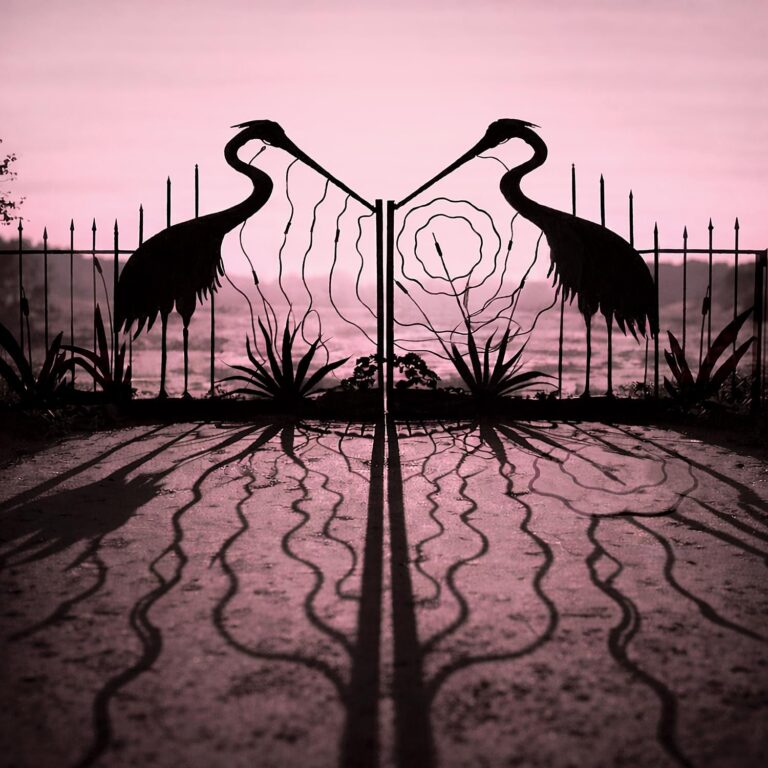
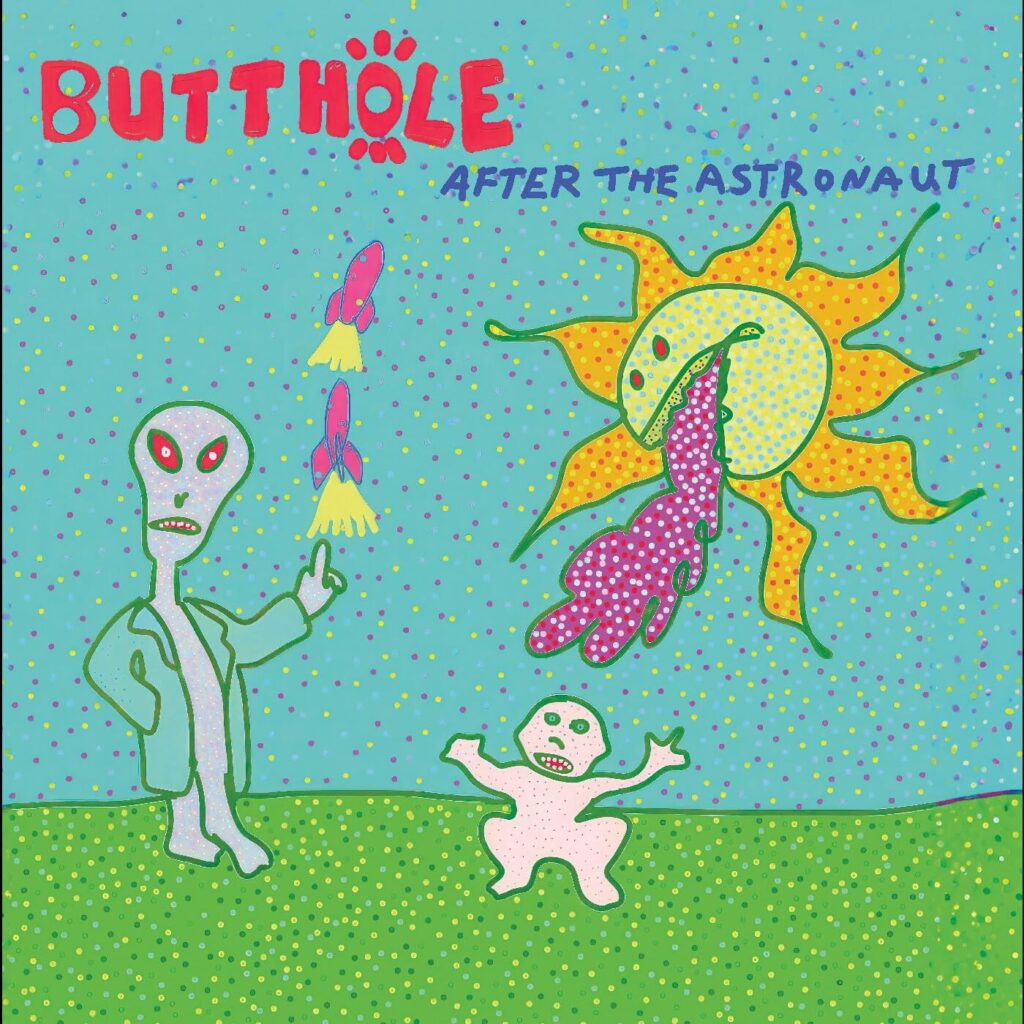
Pressed on black vinyl, and with artwork far more in keeping with the band than the lenticular baby, After The Astronaut does not lay all of Weird Revolution’s flaws to rest, but it does improve significantly upon it. Shorn of the massive list of collaborators, the album is solely the work of Gibby Haynes, Paul Leary (also playing bass ion this iteration), and King Coffey, with Stuart Sullivan on mixing duties, and Howie Weinberg behind the mastering console. The result is a far more compelling album with a vastly altered track listing that drops almost all of the commercial tracks (Dracula of Houston, Get Down and, thankfully, Shit Like That ), with Jet Fighter and Intelligent Guy placed up front in their stead.
We are, however, getting ahead of ourselves.
The album opens on a familiar note. Weird Revolution, with its Pepper-referencing beat and spoken-word rants is much the same track that opened its namesake, although the stabs of guitar that cut across the mix are somewhat louder. It’s followed by Intelligent Guy (billed here as the Astronaut Version), which has a much grungier pulse than its Weird Revolution counterpart, for all the woozy trip-hop beats and synths the band throw gleefully into the mix.
It’s followed by the irresistible single, Jet Fighter. A highlight of its predecessor, it makes a good deal more sense placed here than buried at in the final third of the album. After Pepper, it might just be one of the band’s greatest pop songs and here, washed in all sorts of spacey effects, it secures its crown. It also segues into the unholy noise-experiment of Mexico, which is still the closest a piece of music has ever come to simulating a psychedelic experience – only now it’s even more lost in stuttering effects and echoing weirdness.
The first track not to have featured on Weird Revolution at all, Imbuya slots in perfectly. Filled with fizzing guitars and underpinned by scattershot beats, it’s a cross between The Prodigy’s Breathe and Ministry’s Jesus Built My Hotrod yet wrapped up in an indie rock production that allows it to sit comfortably amidst the spacier fare found elsewhere. The first side then concludes with the throbbing, circus hip-hop of Venus, which is much the same as its Weird Revolution incarnation, albeit sans the slick production and with a much more logical place in the sequence.
Opening the album’s second side, the dreamy title track still seems beamed in from another world with its scratchy vocal and lilting piano. However, as it progresses, it’s clear that there was a lot more weirdness than we previously knew, with strange music-box melodies creeping in. On Weird Revolution, it followed Jet Fighter, closing out the album alongsideYentel, leaving the listener to wonder why on earth an album that started with Shame of Life was wrapping up with what sounded like a garbled advert for British Telecom. Once again, however, without the commercial tracks skewing the track list, the ambient pulse of the title track and its Orb-esque follow-up, Yentel, feel far more natural.
The band head even further into trip-hop territory with Junkie Jennie in Gaytown, which manages to parody the likes of Smoke City while doing a pretty good job of incorporating the woozy beats and jazz-infused vocals that were increasingly popular at the time. It’s OK, but the vocal wears a little thin by the time it reaches its end. The last song to feature on both albums, They Came In was always a cool song but here it just feels harder edged, the guitars not having been polished to the nth degree.
After The Astronaut wraps up with two tracks that were lost from Weird Revolution. The first of these, I Don’t Have a Problem, is an uncomfortable sound collage that edges from spoken word noise to beautiful ambience in a manner that mixes up latter-day Swans and Aphex Twin. It’s not a bad track, I guess, but even on album that favours ambience over action, it feels like a sonic prank that runs on far too long. In stark contrast, Turkey and Dressing delivers a fuzzed-up punk-noise assault closer in spirit to Locust Abortion Technician than anything the band had produced since signing to Capitol. A fun freak out in the studio? A last middle finger to the label? Who knows. What is clear is that the powers that be declared it to be inimical to commercial success and it was ruthlessly culled.
The pressures on the Butthole Surfers circa 1998 were many and varied. Whether they would have survived had they released this album is an interesting question that is now almost impossible to answer. What is likely, however, is that they would have plunged back into indie obscurity, albeit with far greater goodwill than they gleaned from the perennially unloved Weird Revolution.
At any event, while Weird Revolution really didn’t deserve the hatred levelled at it, what is clear is just how far it deviated from After the Astronaut. Despite sharing eight tracks in common, the overall flow, production, and approach is so completely different as to render it an entirely different album and not simply an embryonic version.
A far better follow up to Electriclarryland, a far more interesting synthesis of the band’s influences, and an infinitely better final word from the band, After the Astronaut is a long-lost treasure that, for fans of the band, is more than worth unearthing. 8.5/10